Rolled Insulation Service in Austin, TX
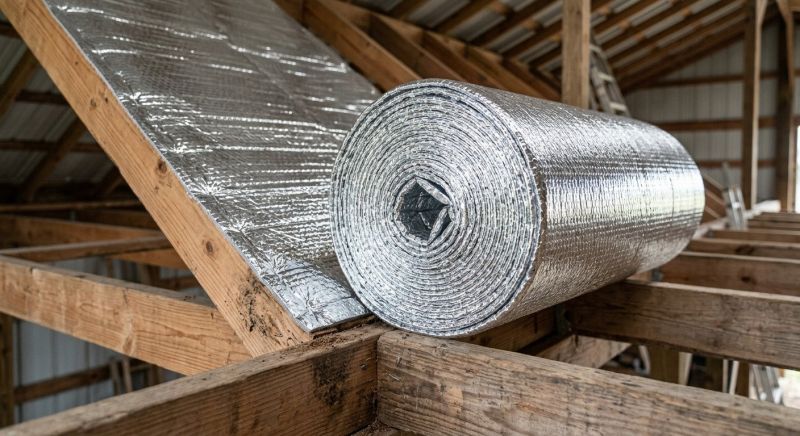
Rolled insulation services involve installing long rolls or batts of insulating material into walls, attics, and floors to improve a property's thermal efficiency. This type of insulation is commonly used in residential projects such as attic insulation upgrades, wall cavity insulation, and basement or crawl space insulation. Property owners often seek this service to enhance energy savings, reduce heating and cooling costs, and improve overall comfort within their homes. Before requesting rolled insulation, it’s helpful to understand the specific areas that need insulation, the types of materials available, and how the installation process might impact existing structures.
Homeowners typically inquire about the suitability of rolled insulation for their particular project, whether it’s an existing home or new construction. They may also want to know about the R-values, which indicate insulation effectiveness, and any necessary preparations before installation. It’s important to consider the accessibility of the installation areas, potential modifications needed to accommodate the insulation, and how the chosen materials will perform in the local climate. Gathering this information can help ensure that the insulation project meets energy efficiency goals and fits the property’s specific needs.
Many property owners in Austin, TX look into Rolled Insulation Service for repairs, replacements, upgrades, and appearance-related improvements.
Benefits Of Rolled Insulation
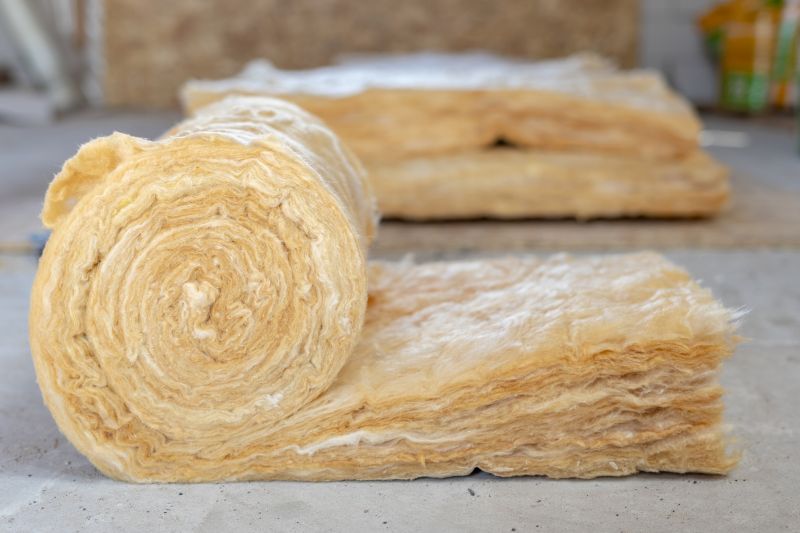
It helps improve energy efficiency and maintains consistent indoor temperatures in austin homes.
Common Applications
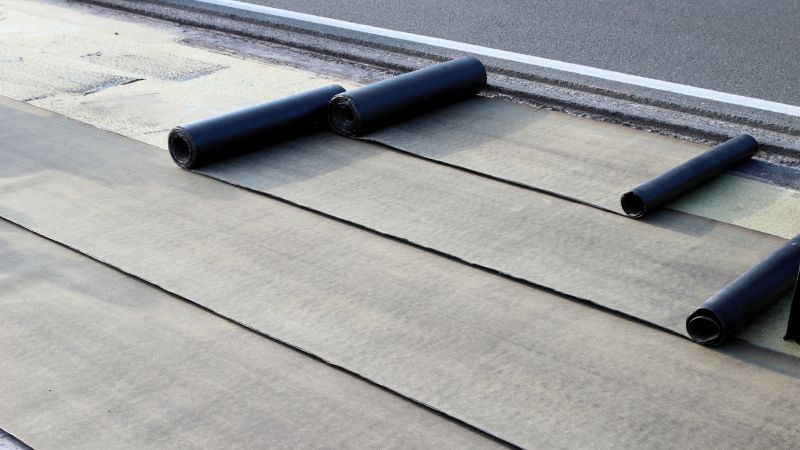
Rolled insulation is often used in attics, walls, and crawl spaces to enhance comfort and reduce utility costs.
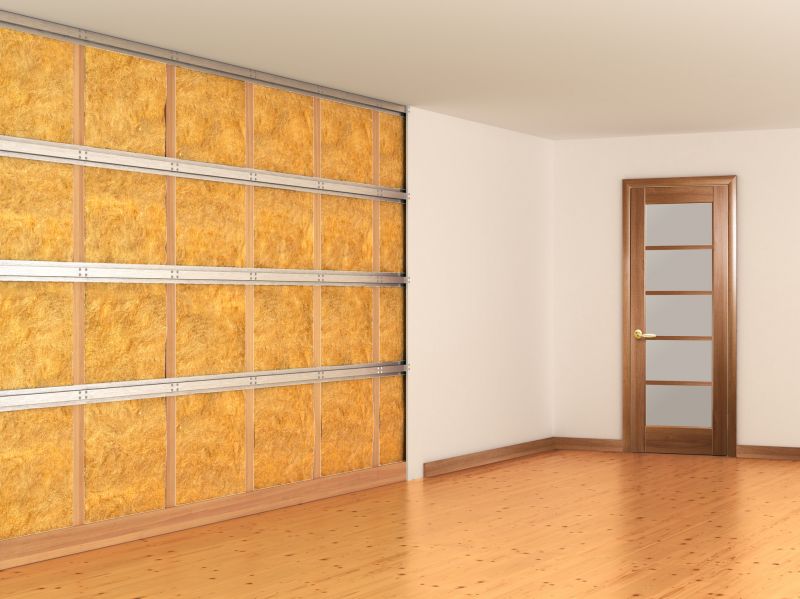
Installation Considerations
Proper installation ensures effective coverage and insulation performance for residential and commercial properties.
Rolled Insulation Service in Austin, TX

Rolled insulation services involve installing long rolls or batts of insulating material into walls, attics, and floors to improve a property's thermal efficiency. This type of insulation is commonly used in residential projects such as attic insulation upgrades, wall cavity insulation, and basement or crawl space insulation. Property owners often seek this service to enhance energy savings, reduce heating and cooling costs, and improve overall comfort within their homes. Before requesting rolled insulation, it’s helpful to understand the specific areas that need insulation, the types of materials available, and how the installation process might impact existing structures.
Homeowners typically inquire about the suitability of rolled insulation for their particular project, whether it’s an existing home or new construction. They may also want to know about the R-values, which indicate insulation effectiveness, and any necessary preparations before installation. It’s important to consider the accessibility of the installation areas, potential modifications needed to accommodate the insulation, and how the chosen materials will perform in the local climate. Gathering this information can help ensure that the insulation project meets energy efficiency goals and fits the property’s specific needs.
Many property owners in Austin, TX look into Rolled Insulation Service for repairs, replacements, upgrades, and appearance-related improvements.
Common Rolled Insulation Service Jobs
Attic insulation - improves energy efficiency by reducing heat transfer in attics.
Wall insulation - helps maintain consistent indoor temperatures and lowers utility bills.
Basement insulation - prevents heat loss and controls moisture in below-grade spaces.
Garage insulation - enhances comfort and temperature control in attached or detached garages.
Crawl space insulation - protects against drafts and prevents moisture buildup under the home.
Fire-resistant insulation - provides added safety for areas requiring increased fire protection.
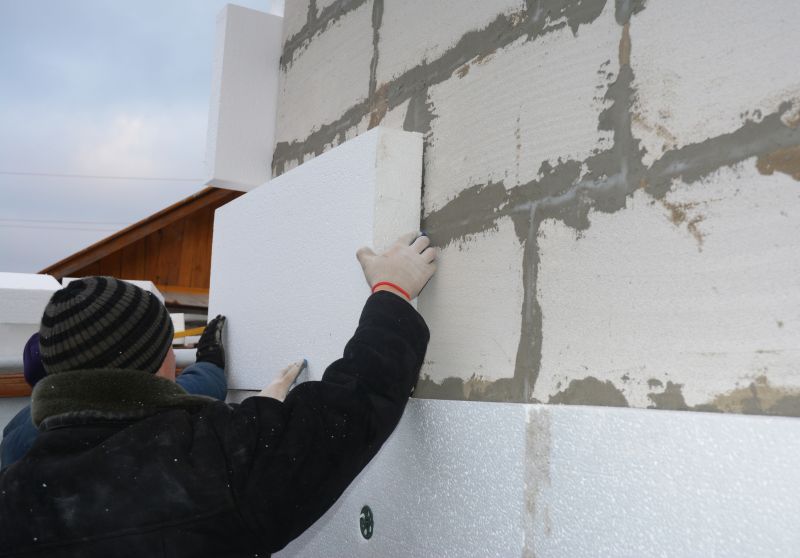
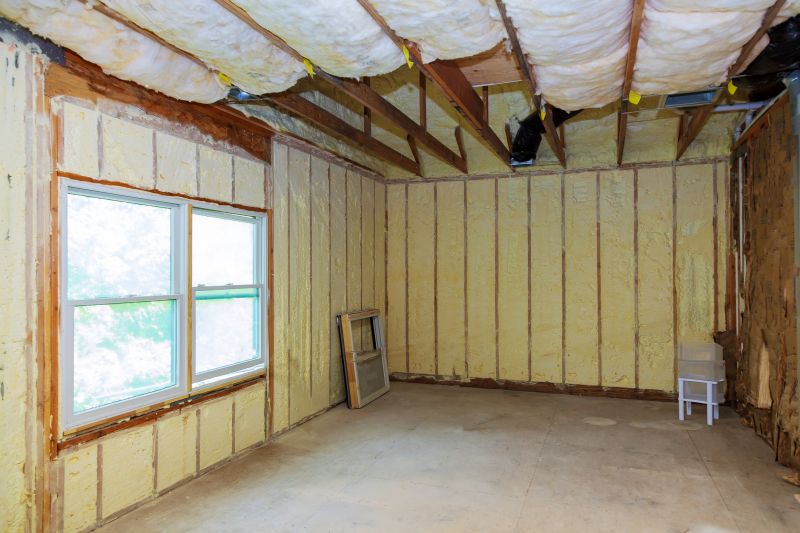
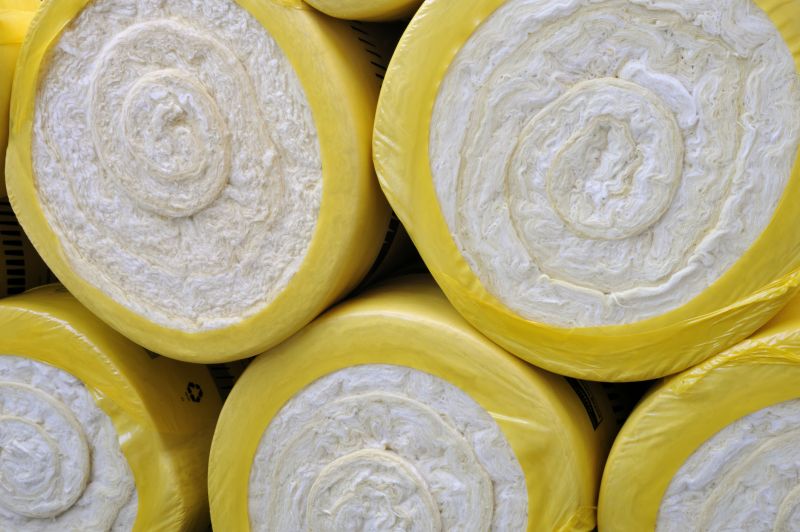
Rolled Insulation Service Questions
What is rolled insulation used for? Rolled insulation is commonly installed in attics, walls, and ceilings to improve thermal efficiency and reduce energy costs.
How is rolled insulation installed? It is laid out between framing members, cut to fit, and secured to provide a continuous barrier against heat transfer.
What types of homes benefit from rolled insulation? Most residential properties, including older and new homes, can benefit from added insulation in attics and walls.
Are there different materials for rolled insulation? Yes, common options include fiberglass, mineral wool, and cellulose, each offering different insulation properties.
Request Rolled Insulation Service in Austin, TX
Use the quote form on this page to share the basics of your project and request more information for the type of work you need.