Best Conditions for Vapor Barrier Installation
Vapor barrier installations are most effective when performed during specific conditions that optimize adhesion and durability. The ideal time generally aligns with periods of moderate temperature and humidity levels, avoiding extreme cold or heat, which can compromise the installation process.
Installing vapor barriers during dry, mild weather ensures proper adhesion and reduces the risk of moisture-related issues.
Spring and early fall are preferred seasons due to moderate temperatures and lower humidity levels.
Scheduling installations during periods with minimal construction activity can lead to better results and easier access.
Ensure that the space is dry and free of excess moisture before installation to maximize effectiveness.
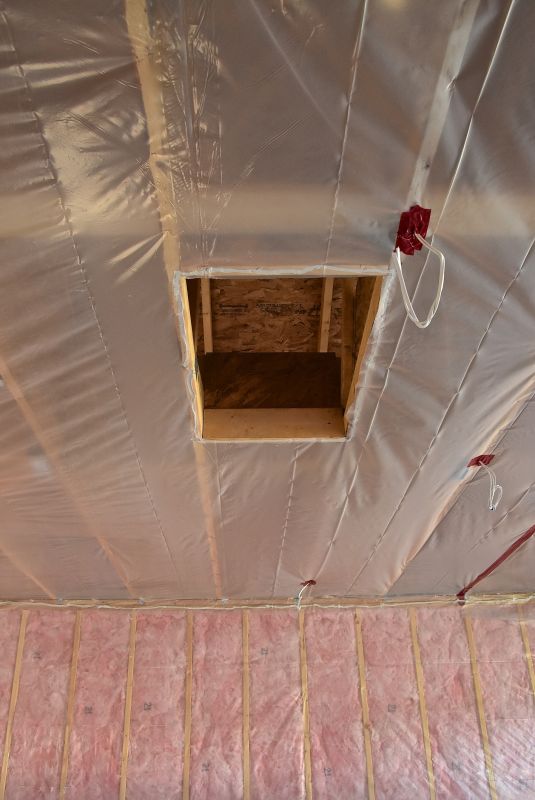
Installing during spring benefits from moderate temperatures and lower humidity, aiding adhesion.
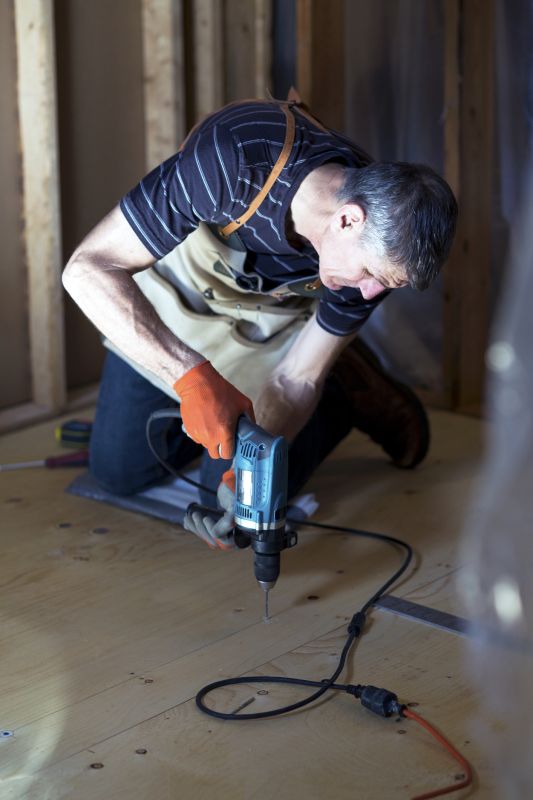
Dry weather reduces moisture interference, promoting longer-lasting results.
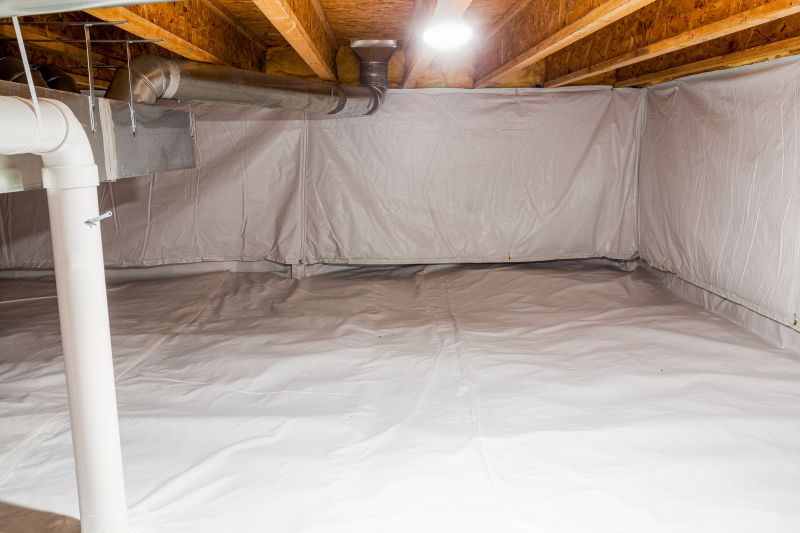
Aligning vapor barrier installation with construction schedules minimizes disruptions.
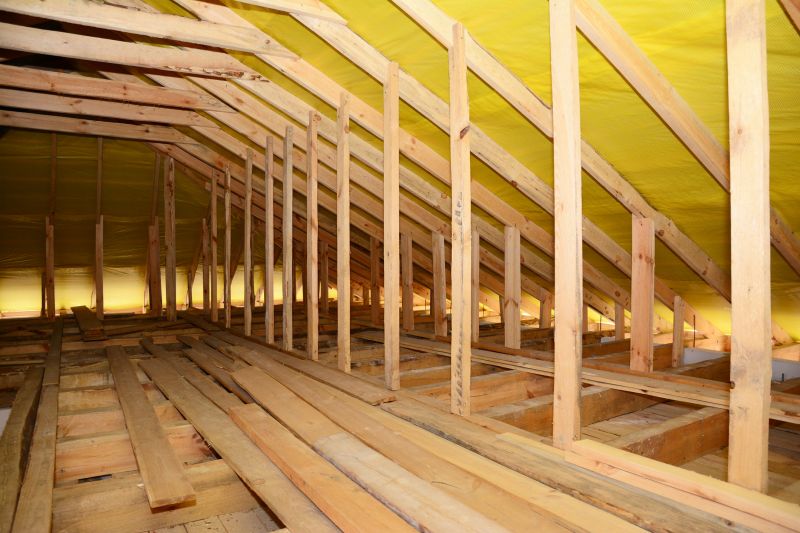
Ways to make Vapor Barrier Installations work in tight or awkward layouts.
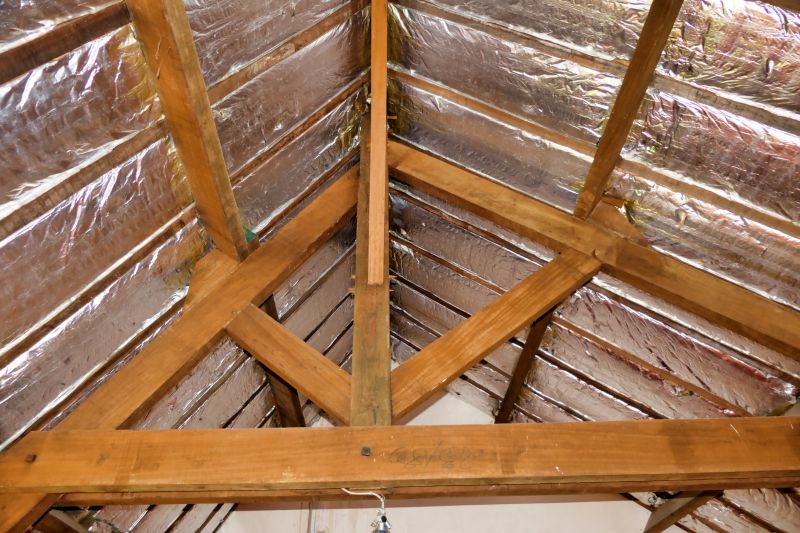
Popular materials for Vapor Barrier Installations and why they hold up over time.
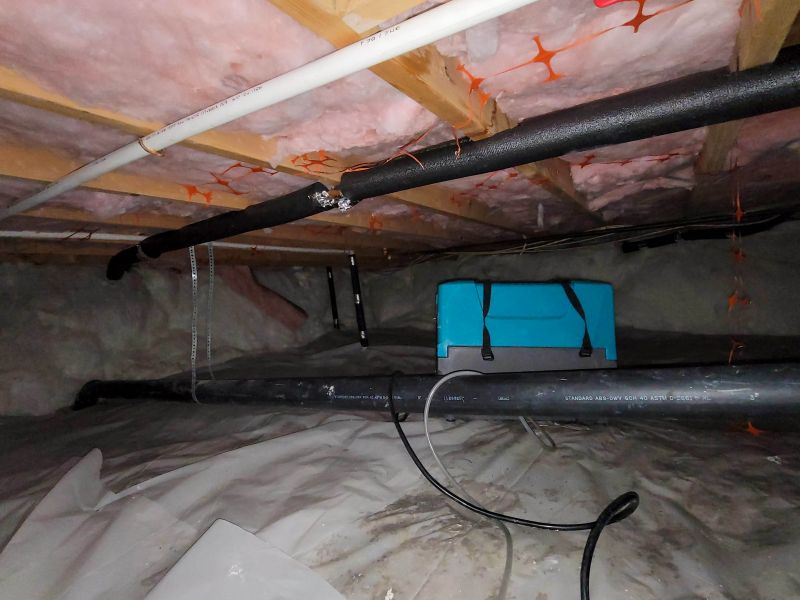
Simple add-ons that improve Vapor Barrier Installations without blowing the budget.
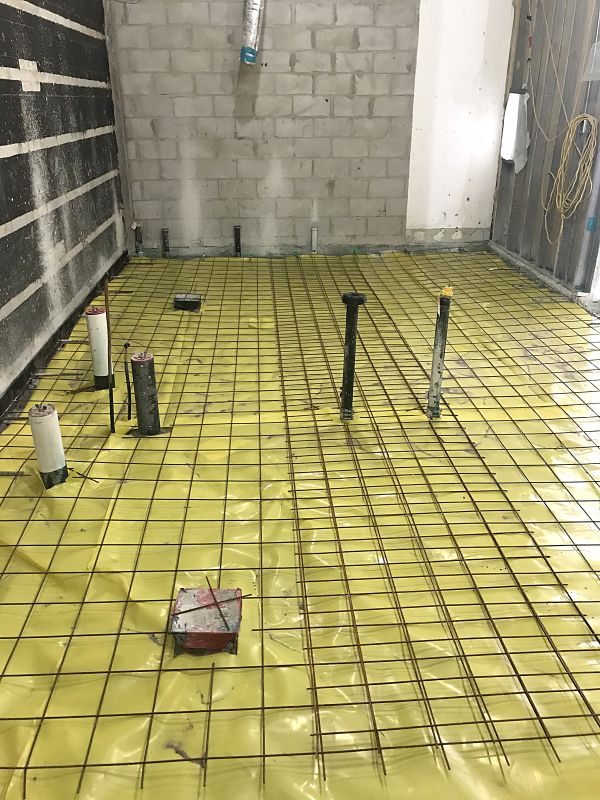
High-end options that actually feel worth it for Vapor Barrier Installations.
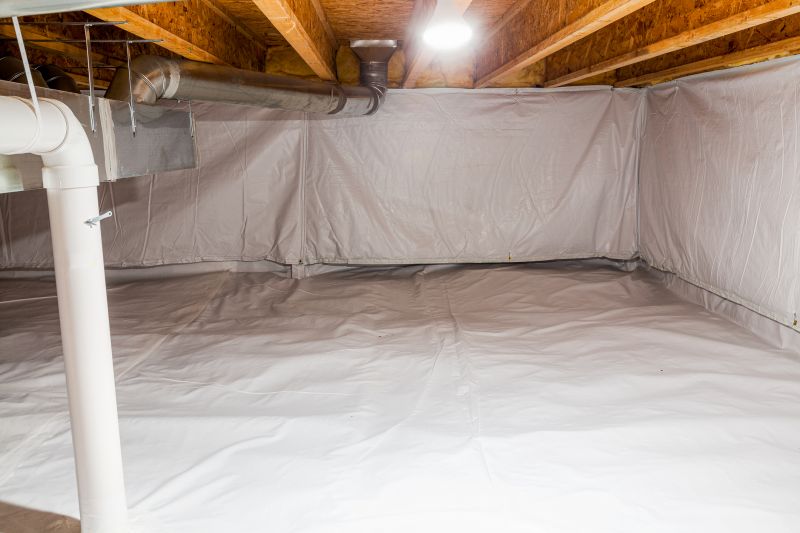
Finishes and colors that play nicely with Vapor Barrier Installations.
| Season | Advantages |
|---|---|
| Spring | Optimal weather, moderate temperatures, and lower humidity |
| Fall | Ideal for avoiding extreme cold or heat, good for sealing |
| Summer | Less ideal due to high humidity and heat |
| Winter | Challenging due to cold temperatures and potential moisture issues |
Vapor barrier installations play a critical role in controlling moisture migration within building structures. Proper installation prevents issues such as mold growth, wood rot, and structural damage caused by excess moisture. Statistics indicate that correctly installed vapor barriers can reduce indoor humidity levels by up to 30%, significantly improving indoor air quality and energy efficiency.
Choosing the right timing for vapor barrier installation ensures the longevity and effectiveness of the barrier. Factors such as local climate, current building conditions, and project scope influence the optimal scheduling. Proper planning and execution can lead to improved building performance, reduced energy costs, and minimized moisture-related problems over the lifespan of the structure.

Installation process showing proper sealing techniques.
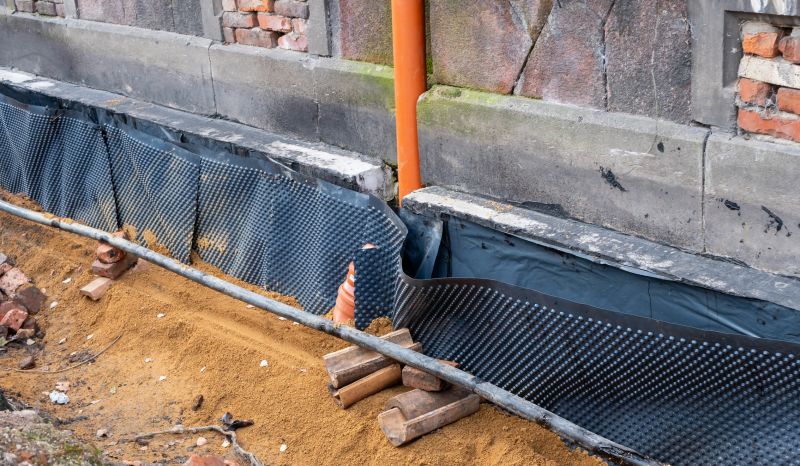
Effective vapor barriers prevent moisture buildup.
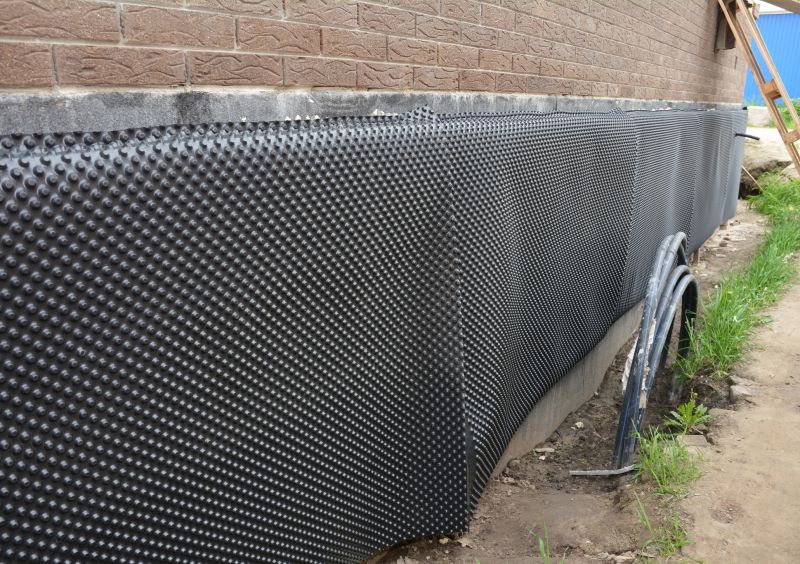
Proper installation safeguards structural integrity.
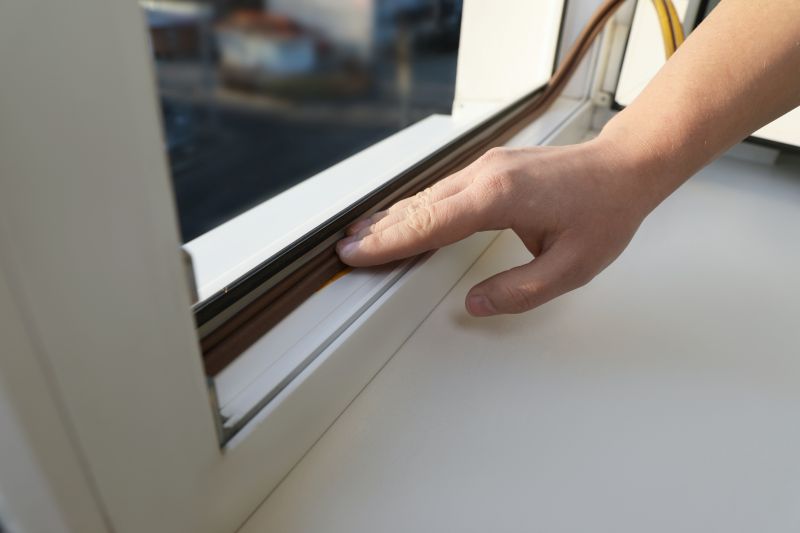
Ensuring a tight fit for maximum performance.
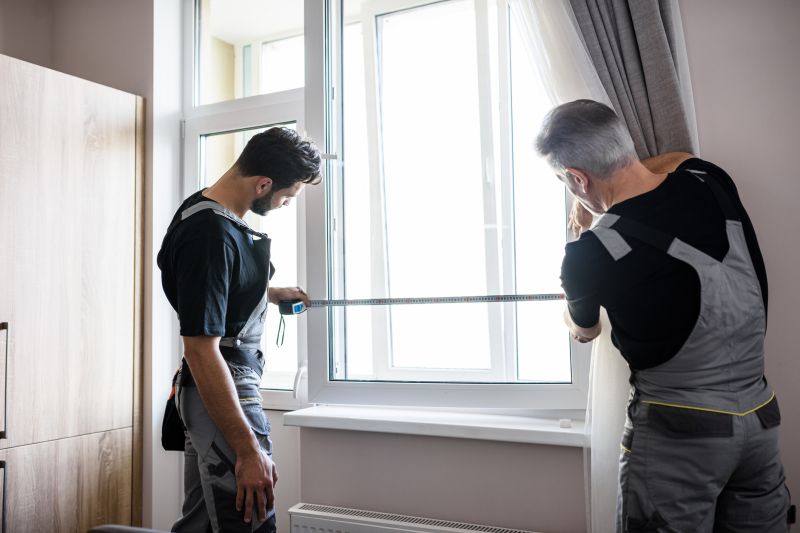
Little measurements that prevent headaches on Vapor Barrier Installations day.
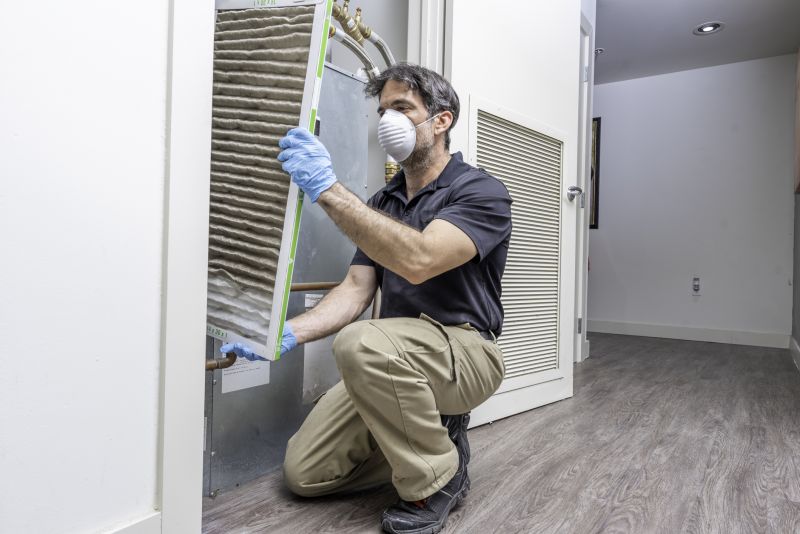
A 60-second routine that keeps Vapor Barrier Installations looking new.
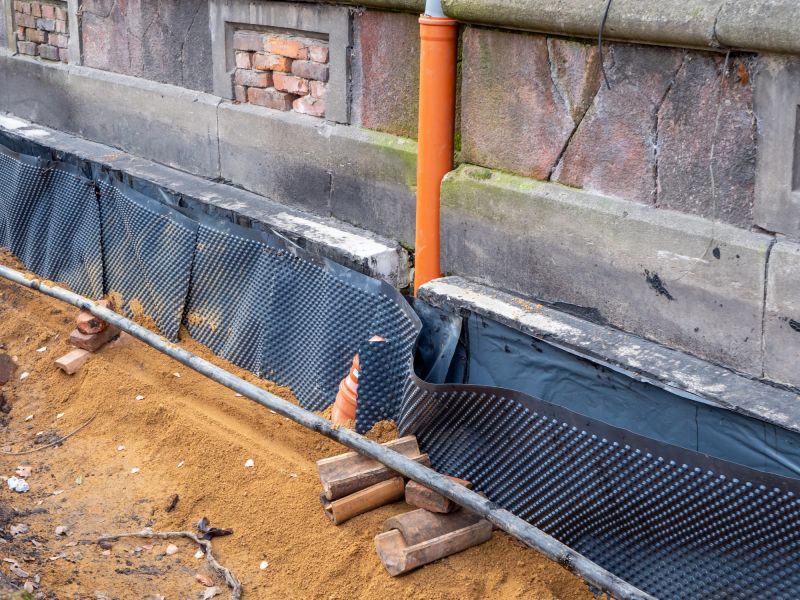
A frequent mistake in Vapor Barrier Installations and how to dodge it.
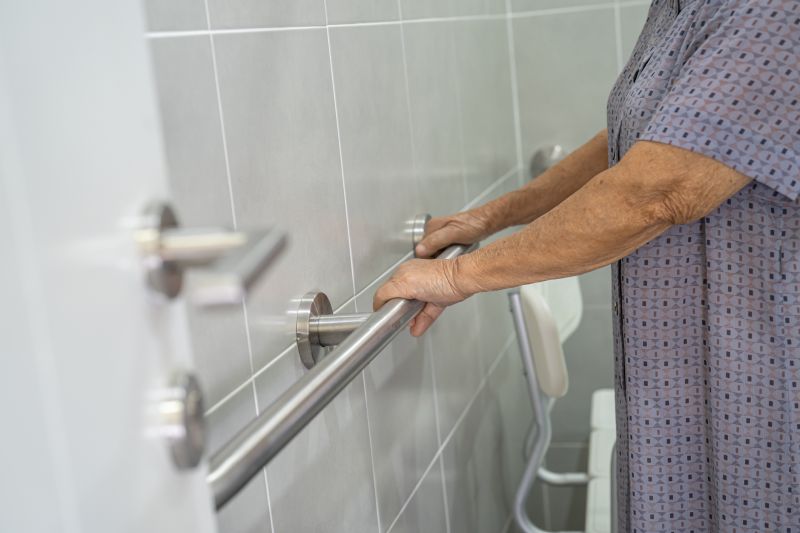
Small tweaks to make Vapor Barrier Installations safer and easier to use.
Interested in vapor barrier installations? Filling out the contact form provides an opportunity to discuss project needs and scheduling options to ensure optimal results.